Q: What is compost?
Compost is the process by which bacteria, yeasts and fungi break down organic material into healthy, fertile
compost that can be added to the soil.
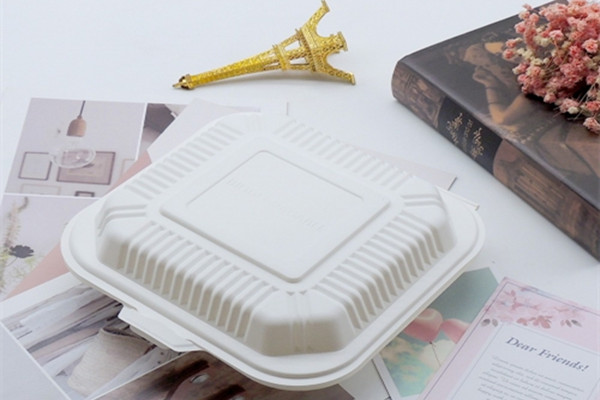 Q: What is the difference between compostable plastic and biodegradable plastic?
"Biodegradable" means that an object can be broken down biologically. Technically, these items can be made of almost any material, as microbes can break down almost anything given enough time. For example, aluminum cans will biodegrade in the ocean in about 200 years, while hard plastic bottle caps will biodegrade in about 400 years.
"Compostable" means the product is broken down into carbon dioxide, water, inorganic compounds and biomass, leaving no toxic residue. According to composting standards, compostable products must decompose or break down into small pieces at a rate similar to paper within 90 days to make the original product visually indistinguishable in compost.
Q: How do I find the nearest composting facility?
The best way to find commercial composting facilities in your area is to contact your local waste management service. To ensure that your product is properly composted, ask if the site accepts compostable food service appliances. You can also check out the compost machine.
Q: How do I properly dispose of my compostable products?
Compostable products should be sent to commercial composting facilities. Unfortunately, not every city has a composting site nearby. You can contact your city's waste management or recycling program for more information about your composting options. Your city or county's web site usually offers information about composting and free composting classes.
Create your own compost.
If there is no commercial composting in your city, consider advocating for it by contacting your city official. Compostable products are not recyclable and will contaminate the recycling line. Among the trash, it's likely to end up in landfills. Use our composting promotion letter to apply for commercial composting options in your city.
Q: If my local composting facility doesn't accept compostable products, why should I use them?
Although not all commercial composting facilities accept compostable products, there are many other reasons to use our products. Instead of petroleum-based plastics and polystyrene (styrofoam), Hyde's compostable products are made from sustainable materials such as plant fibres, plant-based plastics and responsibly harvested paper. Our products also require less energy to manufacture and are free of harmful toxins. In addition, when you choose a compost product, you are contributing to our mission of providing 25% of profits to social and environmental groups committed to making the world a better place.
Q: Can I recycle compostable products?
Compostable products should not be sent to recycling facilities as they will contaminate the recycling line sorted by material. Compost can be recycled, but facilities are limited.
To learn more about composting, visit our
compostable products page.
Q: Does compost break down faster in landfills?
Don't. Our products are designed to compost using processes that do not exist in landfills. Microorganisms, carbon, water, oxygen and nitrogen are all essential elements in the composting process. If sent to an open landfill or dump with oxygen, the compost material will degrade at a similar rate to other biodegradable materials in the same environment. If
compostable products are placed in more common airtight landfills, and without oxygen and microbes, they will not biodegrade.
Mark Scarbrough
Food Packaging R&d Manager
Participated in paper product requirements and design reviews for many years, and has rich experience in product performance research
Click to contact me

 Paper Package
 Paper Package
 Biodegradable Tableware


 4380
4380 11
11





 (Saudi Arabia) Submit Demand 45 Minutes Ago
 (Australia) Submit Demand 25 Minutes Ago
 (United Kingdom) Submit Demand 36 Minutes Ago
 (Sweden) Submit Demand 15 Minutes Ago