What can renew faster than bamboo? More durable than paper? And more sustainable than any other paper alternative on the market? Bagasse!
Bagasse is the name given to the sugar cane fiber left after sugarcane is processed into sugar. It is considered a waste product, meaning it requires no additional resources to produce, but is the best
disposable container in the world!
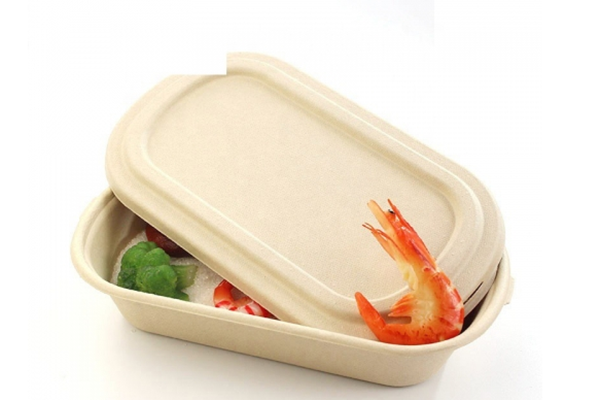 Bagasse tableware
Hyde's plates and bowls are made from a plant fiber called bagasse. At first glance, bagasse may look like an ordinary paper tray, except it's thicker and stronger, but there's more to
bagasse than meets the eye. In this article, we'll answer all your bagasse related questions, from where it comes from to what makes it one of the most sustainable products in its class!
Bagasse is the fiber of the sugarcane plant. It is a natural waste product of sugar production. Sugarcane cultivation produces about 79% of the world's sugar. As you can imagine, that means a lot of bagasse -- about 3 tons for every 10 tons of sugarcane processed. Since bagasse is only a by-product of sugar production, it has few uses. The most common use of
bagasse is to burn it as a fuel source. Unfortunately, burning bagasse releases a lot of carbon dioxide back into the atmosphere. The use of bagasse as animal feed is also limited. Of course, bagasse fibers can also be used to make pulp and paper products.
Is bagasse a renewable resource
Yes! In fact,
sugarcane is considered a rapidly renewable resource, in the same category as bamboo and cork. Rapid renewable resources can be regenerated within 10 years. In fact, sugarcane can fully regenerate within 10 to 18 months, making it a more environmentally friendly alternative to paper and wood.
Almost certainly! Sugar cane is one of the best plants for reducing carbon dioxide in the atmosphere. That's because of something called carbon sequestration. This means that as sugar cane grows, it absorbs carbon dioxide from the air and converts it into biomass. Sugar cane absorbs more carbon dioxide per hectare as it grows than almost any other plant. Researchers have even suggested that expanding sugar cane production could reduce global carbon dioxide emissions by as much as 5.2%.
How are bagasse products made
After harvesting the sugarcane, the juice is extracted and refined into sugar. What is left is raw sugar cane fiber or bagasse. The fiber is then purified, mixed in vats and extracted into molds to make plates, plates and bowls. Then dry and wrap the plates for you to buy and enjoy! Learn more about the manufacturing process of bagasse tableware here.
Is bagasse safe to eat
Yes! Our products are 100% food safe and may even be safer than disposable plates. For example, plastic and foam boards can actually release toxic chemicals into food. When heated, they absorb small amounts of styrene, a possible human carcinogen.
Can bagasse be composted
Yes! One of the main advantages of bagasse fibers over other disposable products is that they do not pollute the environment for decades or even centuries to come. In contrast, bagasse products are rapidly biodegradable and do not release harmful chemicals.
All of our
bagasse products are certified for composting, which means they will decompose safely and quickly in your home compost heap. You should always check the home composting certification mark before purchasing
bagasse products.For an in-depth look at other disposable cutlery solutions, check out our previous blog. Contact us and send us a message and we will be happy to answer your questions.
Andrea Marshall
Paper Packaging Expert
Provide you with a one-stop solution for paper packaging solutions
Click to contact me

 Paper Package
 Paper Package
 Biodegradable Tableware


 4715
4715 11
11




 (Saudi Arabia) Submit Demand 45 Minutes Ago
 (Australia) Submit Demand 25 Minutes Ago
 (United Kingdom) Submit Demand 36 Minutes Ago
 (Sweden) Submit Demand 15 Minutes Ago