PET Plastic
A Brief History of PET Plastic
It was in the middle of the 20th century that the remarkable PET polymer, or polyethylene terephthalate, was first brought into being by diligent scientists seeking a material that could serve a multitude of commercial purposes. Its exceptional qualities, including being lightweight, transparent, and sturdy, rendered it perfect for a wide array of applications.
The Rise and Ascendancy
The advent of PET plastic in the beverage industry marked a turning point in packaging, as its resilience and cost-effectiveness revolutionized the field. As time progressed, its usage extended beyond beverages to encompass the realms of food, pharmaceuticals, and personal care items, thereby cementing its place as a favored choice.
The Environmental Consequences
Despite the advantages it offers, PET plastic presents a notable obstacle in terms of recycling and waste management. The escalating concerns surrounding plastic pollution have underscored the urgency for sustainable measures to address its environmental repercussions.
Innovative Approaches and Substitutes
In light of the environmental predicament posed by PET plastic, a concerted effort has been made by researchers and enterprises to devise biodegradable plastics and recycled PET products. These pioneering advancements aim to diminish the dependence on conventional plastics and foster a more eco-friendly tomorrow.
Environmental Impact of PET Plastic in Disposable Cups
One cannot overlook the detrimental effects of PET plastic, commonly found in disposable cups, on our environment. This material, known for its non-biodegradable nature, can linger in landfills for centuries, polluting our surroundings and posing a threat to wildlife. Moreover, the production process of PET plastic emits greenhouse gases, depletes energy resources, and consumes an exorbitant amount of materials.

Alternatives to PET Plastic in Disposable Cups
Thankfully, there exist several eco-friendly alternatives to
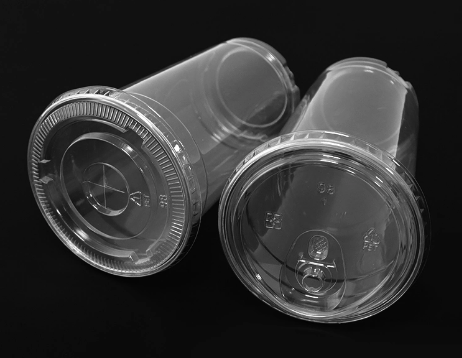
PET lid in disposable cups. From humble paper cups to compostable cups crafted from plant-based materials, and even reusable cups, these options offer a sustainable solution to the environmental woes caused by single-use disposable cups.
Recycling PET Plastic in Disposable Cups
Embracing the practice of recycling PET plastic found in disposable cups is paramount in our efforts to reduce waste and preserve valuable resources. By recycling used cups, we can repurpose the material for the creation of new products, lessening our reliance on virgin plastic and ultimately lessening our environmental impact.
Frequently Asked Questions:
1.What does PET plastic mean? Is PET plastic BPA free?
Like the clothing fabric, polyethylene terephthalate is commonly shortened to PET or PETE and is a form of polyester. There are no chemical phthalates or bisphenol A (BPA) in PET plastic, and therefore PET plastic does not leach these substances.
2.How biodegradable packaging is an eco-friendly approach?
Biodegradable tableware is made from eco-friendly materials, which require less energy to produce. Hence, it is easier to recycle. They are non- toxic with reduced carbon emission and help to reduce climate change.
Other Applications for PET Plastic
One of the most common uses of PET plastic is in creating polyester fibers for clothing and textiles. PET plastic is melted and extruded into fibers that are then woven into fabrics for a wide range of garments. The use of PET plastic in textiles offers several advantages, including durability, wrinkle resistance, and moisture-wicking properties. Additionally, PET plastic can be recycled and reused in a closed-loop system, making it a sustainable choice for the fashion industry.
Additional applications for PET plastic
Aside from its use in creating polyester fibers for clothing, PET plastic has found additional applications in the textile industry. For instance, PET plastic can be blended with other fibers to enhance the performance and functionality of fabrics. This blending process can result in fabrics that are more lightweight, breathable, and resistant to stains and odors. Furthermore, PET plastic can also be used in the production of accessories such as bags, hats, and shoes, adding a touch of sustainability to everyday fashion choices.
The Future of PET Plastic
Recycling Innovations in PET Plastic
In the realm of PET plastic, recycling innovations have proven to be a pivotal solution to combat the environmental consequences of plastic waste. With a steadfast commitment to progress, companies have delved into the realm of advanced technologies, such as chemical recycling and depolymerization. Through these groundbreaking methods, PET plastic is meticulously broken down into its elemental monomers, ready to be reformed into new plastic creations. Moreover, the establishment of robust recycling infrastructure and collection systems has bolstered the efficiency of PET plastic recycling, curbing the accumulation of plastic in landfills and oceans for the betterment of our planet.
Biodegradable Alternatives to PET Plastic
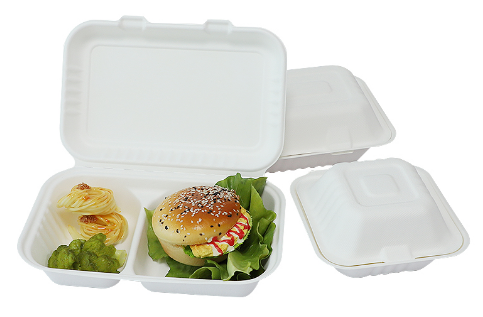
Amidst the escalating concerns surrounding plastic pollution, a burgeoning interest has emerged in the realm of biodegradable alternatives to conventional PET plastic. Bioplastics, crafted from renewable resources like cornstarch or sugarcane, herald a sustainable substitute for packaging materials. These biodegradable alternatives possess the innate ability to decompose naturally in the environment, mitigating the enduring impact of plastic waste. However, it remains imperative to ensure the proper disposal of these biodegradable plastics in industrial composting facilities to maximize their environmental efficacy.
Hyde Group can provide you with any custom
cornstarch food packaging and
sugarcane food box packaging you want, which has over 14 years of export experience and has exported to more than 150 countries, you can feel free to contact us to custom and wholesale, we will reply within 24 hours.

 Paper Package
 Paper Package
 Biodegradable Tableware


 9268
9268 352
352




 (Saudi Arabia) Submit Demand 45 Minutes Ago
 (Australia) Submit Demand 25 Minutes Ago
 (United Kingdom) Submit Demand 36 Minutes Ago
 (Sweden) Submit Demand 15 Minutes Ago